
Thyme is an essential aromatic herb in the kitchen, but it is also a wonderful plant to grow in the garden. To keep it fragrant, vigorous and productive, it is important to know when and how to prune it.
Whether you grow thyme in your garden or use a dedicated indoor growing kit, a few simple steps are enough to make the most of its fragrant leaves. In this guide, discover our tips for pruning thyme, the best times to do it and, above all, the mistakes to avoid to keep your plants healthy.
Why should you prune thyme?
Pruning thyme is not just about keeping the plant looking neat. It plays a crucial role in its health and productivity:
-
Encourage new growth: removing dead or ageing branches stimulates the development of fresh new stems.
-
Prevent excessive woody growth: thyme that becomes too woody can lose flavour and become more fragile. Regular pruning helps keep the plant young and vigorous.
-
Improve air circulation: a regularly pruned plant benefits from better airflow and is less susceptible to fungal problems.
-
Maximise your harvest: trimming the tips encourages the plant to produce more fresh aromatic leaves that you can use directly in the kitchen.
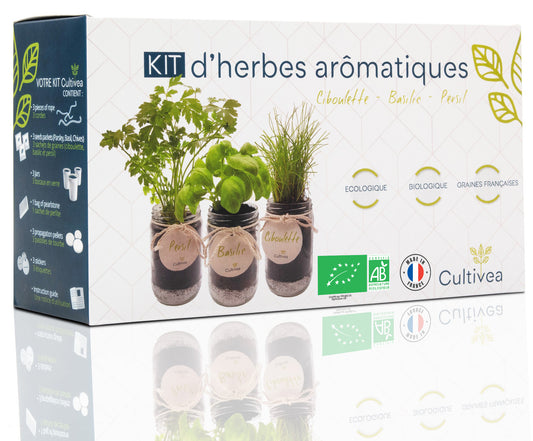
With the Red Aromatic Herb Kit, you can easily apply these techniques to indoor plants, even if you do not have a garden.
The best times to prune thyme
Knowing when to prune thyme is essential if you want to avoid interfering with its growth. Here are the key times of year:
-
Just after flowering: thyme generally flowers in late spring or early summer. Light pruning at this stage removes faded flowers and encourages fresh leaf growth.
-
At the beginning of spring: before the thyme starts growing actively again, trim back the oldest and woodiest stems. This helps create a dense, green plant that will be ideal for future harvests.
-
Light pruning in summer: during summer, you can trim thyme lightly to harvest leaves and maintain the shape of the plant. Avoid cutting back too deeply, as thyme does not respond well to severe pruning during hot weather.
Tip: Always prune thyme just above a node or new shoot. This encourages branching and helps the plant become fuller and bushier.
How to prune thyme correctly
To prune your thyme successfully, follow these simple steps wherever your plant is growing:
-
Prepare your tools: use clean, sharp pruning shears or scissors.
-
Remove dead growth: cut away old or dried-out branches.
-
Lightly trim the tips: cut back young stems by just a few centimetres to encourage fresh growth.
-
Avoid severe pruning: never cut deeply into old wood, meaning the very hard and brown part of the plant. Doing so could compromise the survival of your thyme.
For plants grown in an aromatic herb growing kit, this technique is ideal for keeping them compact and productive.
Harvesting and using thyme after pruning
Pruning thyme is also a perfect opportunity to harvest fresh leaves for cooking.
-
Fresh leaves: use them straight away in sauces, marinades and slow-cooked dishes. Thyme also works well in herbal infusions such as thyme and honey tea, traditionally enjoyed to help soothe a cough.
-
Preserving thyme: dry the branches you have cut so that you can enjoy thyme throughout the year.
-
Aromatic infusion: a few sprigs in hot water are enough to prepare a fragrant herbal tea.
Want to grow your own thyme and harvest it all year round?
Mistakes to avoid when pruning thyme
To keep your thyme healthy and vigorous, avoid these common mistakes:
-
Pruning too severely: do not cut into old wood. It can take a very long time to grow back, if it grows back at all.
-
Pruning in winter: thyme can be more vulnerable to cold weather after pruning. Cutting it back during winter may weaken the plant and make it more sensitive to frost.
-
Not harvesting regularly: do not allow all the branches to become completely woody. Regular harvesting helps keep the plant aromatic and productive.
-
Using dirty tools: always use clean scissors or pruning shears to avoid spreading diseases from one plant to another.
Tips for caring for your thyme
Although thyme is a hardy plant, it still has a few preferences:
-
Watering: thyme does not need much water. Water moderately, especially when growing thyme in a pot.
-
Light: thyme loves sunshine and a well-ventilated location.
-
Fertiliser: additional fertiliser is generally not essential. Good-quality potting soil is usually sufficient for thyme grown in containers.
-
Repotting: repot indoor plants every 2 to 3 years to refresh the growing medium.
Tip: With the Aromatic Herb Kit, you can grow herbs suited to indoor cultivation, making it ideal for beginners. You can also discover our list of easy aromatic herbs to grow to continue expanding your own herb garden.
Conclusion
Pruning thyme is an important step if you want fragrant leaves and a healthy plant. Plan your main pruning sessions for after flowering and at the beginning of spring, trim lightly during summer and harvest regularly for use in your favourite dishes. With a few simple techniques and Cultivea growing kits, even those without outdoor space can grow healthy, aromatic thyme at home.
Discover our other guides to learn how to grow aromatic herbs and bring fresh home-grown flavours to your kitchen throughout the year.