
Dill is an aromatic herb that does not always get the attention it deserves. Yet it has plenty to offer. Delicate but distinctive, its slightly aniseed-like flavour gives it a unique character. In the kitchen, you can use it in a wide variety of dishes, including fish, sauces and marinades. The good news? You do not always need to buy it from the shops. Dill is very easy to grow at home, whether you have a vegetable garden or simply a pot on a balcony. In this guide, we explain how to sow, care for and harvest dill, as well as how to make the most of its flavour in the kitchen.
Dill: description and origins of this aromatic herb
Before looking at how to grow it, it is useful to know a little more about dill. This herb belongs to the same plant family as parsley and fennel. Dill is easy to recognise thanks to its slender stems and delicate, almost feathery foliage, which gives off a fresh, slightly aniseed-like aroma.
The plant originates from the Mediterranean region and Western Asia and has been used since ancient times. Today, it is mainly used in cooking, although it has also traditionally been prepared as a herbal infusion.
Dill flowers also attract pollinators, while its seeds can be used in cooking. In short, it is an easy-to-grow and versatile herb that deserves a place in the garden, on the balcony or among your kitchen herbs.
How to grow dill: step-by-step planting guide
Now that you know more about dill, it is time to look at how to grow it. Even if you are not an experienced gardener, this is an accessible growing project. As mentioned above, dill is relatively easy to cultivate. Here is how to get started.
Choose the right location
Growing dill is straightforward, but the plant does have a few basic requirements. It enjoys light and warmth, so choose a sunny position that is protected from strong winds, which could damage its slender stems.
How to plant dill step by step
-
Prepare the soil: dill prefers light, well-drained and slightly sandy soil.
-
Sow the seeds: dill seeds are best sown directly where they are going to grow, as the plant does not respond particularly well to transplanting. Space the rows approximately 25 cm apart.
-
Water lightly: dill does not tolerate waterlogged soil. Keep the growing medium slightly moist without soaking it.
-
Thin the seedlings: once the young plants reach around 10 cm in height, thin them out so that approximately one plant remains every 20 cm.
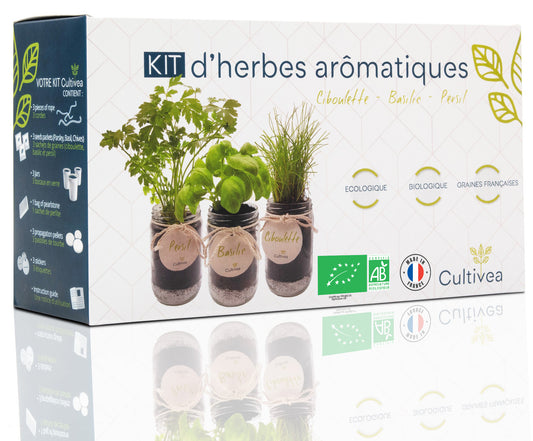
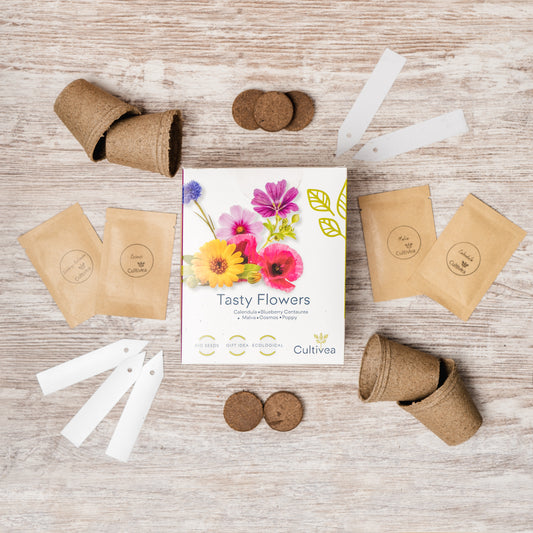
One of the easiest ways to get started is with the herb growing kit, which contains everything you need to grow dill and other herbs at home, even if you do not have a garden.
How to care for and harvest dill
Once the plants are established, dill requires relatively little maintenance. Remove weeds regularly and water during dry periods. Dill can flower quite quickly, so if you want to enjoy the leaves for longer, pinch out the flower stalks as they appear.
The leaves can usually be harvested around 6 to 8 weeks after sowing. Cut them as needed, preferably early in the morning when their aroma is particularly fresh. Dill seeds can be harvested in summer once the flower heads have turned brown and the seeds are mature. They can then be stored for cooking or saved for sowing again the following year.
Dill in the kitchen: uses and recipe ideas
Dill pairs particularly well with fish. Here are a few examples of sauces you can prepare:
-
Dill sauce for fish: a simple and flavourful option is to combine crème fraîche, lemon and finely chopped dill. This sauce works particularly well with cod or trout fillets.
-
Dill sauce for salmon: combine yoghurt, mild mustard and a squeeze of lemon to create a light sauce that pairs well with smoked salmon.
Other ways to use dill in the kitchen include:
-
In potato or cucumber salads.
-
In marinades for fish or white meat.
-
To flavour homemade oil or vinegar.
Thanks to its distinctive flavour, dill can give even simple dishes a fresh and refined aromatic touch.
Dill: an aromatic herb with interesting nutrients
Dill contains a range of naturally occurring plant compounds as well as minerals such as iron, calcium and magnesium. It has also traditionally been used as a culinary herb and in herbal infusions. Its fresh flavour makes it an interesting addition to a varied diet. Claims about specific health effects, however, should not be considered a substitute for medical advice or treatment.
Combine dill with other aromatic herbs
For even more flavour, dill combines particularly well with other herbs from the garden:
-
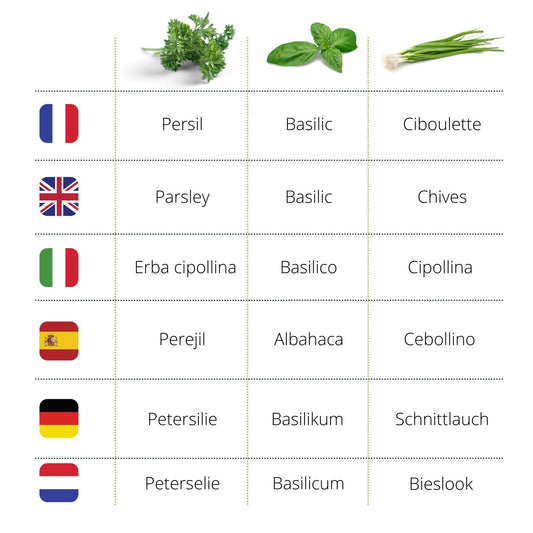
Chives to add extra flavour to sauces.
-
Parsley to balance salads and fresh dishes.
-
Coriander for a more exotic flavour.
With the Cultivea herb growing kit, you can grow several varieties at the same time and create your own homemade herb combinations. It can also make an appealing gift for someone who enjoys cooking or gardening.