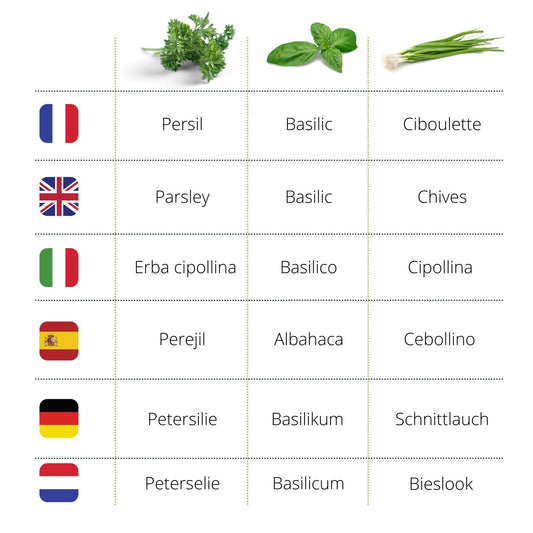

Chives enhance many dishes and sauces. They bring freshness and a delicate flavor to recipes while adding a subtle aroma. At markets, this aromatic herb is often sold in bunches. To always have some on hand, you can easily grow chives at home. In addition to their culinary use, chives also offer interesting nutritional properties. Let’s take a closer look at chives and their health benefits.
Chives, an aromatic herb rich in nutrients
Chives are an aromatic herb that is low in calories (around 29.7 kcal/100 g) but rich in nutrients. They are a good source of vitamins and antioxidants. This aromatic plant also contains several minerals, a high amount of water (around 90.6 g/100 g), dietary fiber, fats and proteins.
Chives, a source of vitamins
Chives are particularly rich in vitamin C and vitamin K. They also contain vitamin E, vitamin B1 (thiamine), vitamin B2 (riboflavin), vitamin B3 (niacin), vitamin B5 (pantothenic acid), vitamin B6 and vitamin B9 (folate).
Chives, a source of minerals
Chives contain several minerals, including calcium, copper, iron, iodine, magnesium, manganese and phosphorus. This aromatic herb also contains potassium, selenium, sodium and zinc, as well as various trace elements.
Thanks to their nutritional profile, chives can be a useful addition to a varied and balanced diet.
Chives and cardiovascular health
Thanks to their antioxidant content, chives can help protect cells against oxidative stress caused by free radicals. Adding them regularly to meals can also contribute to your intake of flavonoids, carotenoids and vitamin C. For this reason, chives can be a valuable part of a diet that supports cardiovascular health.
Chives and protective compounds
The consumption of chives and other vegetables from the Allium family has been studied for their bioactive compounds. Like garlic, onions and leeks, chives contain sulfur compounds and antioxidants that may contribute to the benefits associated with a diet rich in vegetables.
Chives contribute to normal bone health
Fresh chives provide vitamin K. This vitamin contributes to normal blood clotting and the maintenance of normal bones. Vitamin K is also partly produced by bacteria in the gut.
Good to know. People taking anticoagulant medication should pay particular attention to foods rich in vitamin K. It is important to keep vitamin K intake consistent and follow medical advice. In these cases, chives can still be used in moderate amounts as a seasoning.
In short, chives are a nutritionally interesting aromatic herb thanks to their content of vitamins, minerals, trace elements and antioxidants. Adding them regularly to your diet is an easy way to bring extra nutrients and flavor to many dishes and sauces. Their fresh, delicate taste makes them simple to use every day in the kitchen.