
Growing a bonsai differs from growing other plants because of its particular requirements. In addition to the precise and essential care it needs, a bonsai also requires a suitable soil to develop in the right conditions. So, what soil should you use for a bonsai? In this guide, discover which growing medium to choose for cultivating this horticultural gem.
Need the right tools to repot and care for your bonsai?
-
The characteristics of good soil for growing a bonsai
Bonsai trees are particularly demanding when it comes to the soil in which they are grown. In Japan, a granular yellow clay known as “Akadama” is commonly used and mixed with volcanic rock or sand for bonsai cultivation. This type of substrate meets several essential requirements:
- Good drainage: to prevent excess moisture and reduce the risk of root rot.
- Good water retention: so the bonsai can absorb the moisture it needs without becoming waterlogged.
- Sufficient aeration: so the roots can breathe and develop in good conditions.
- A good supply of nutrients: this type of growing medium helps meet the tree’s needs, as a bonsai cannot naturally obtain nutrients in the same way as a tree growing directly in the ground.
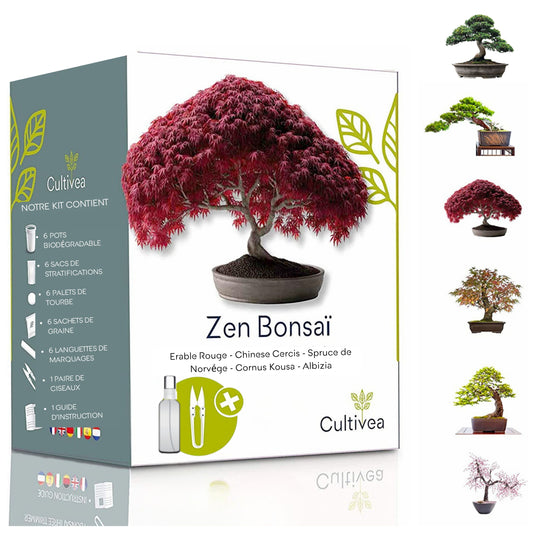
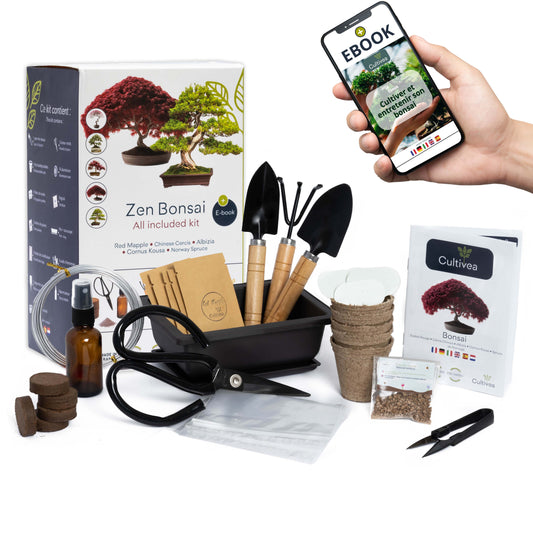
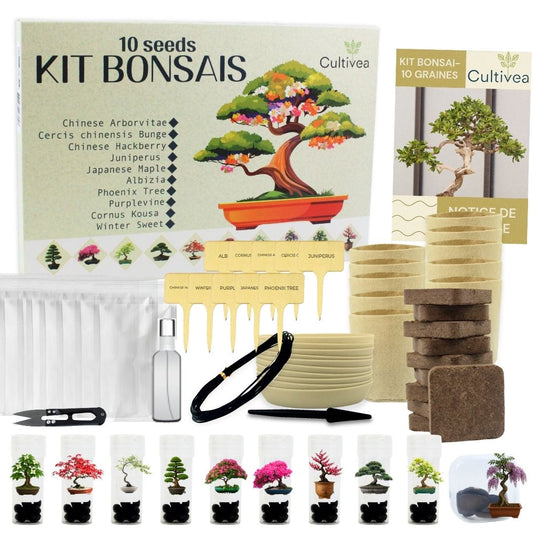
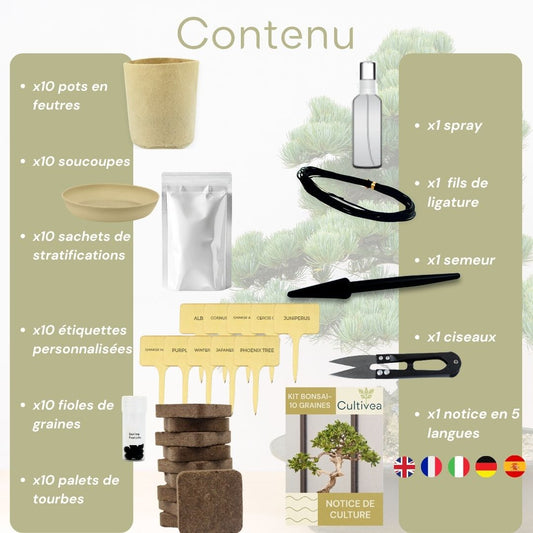
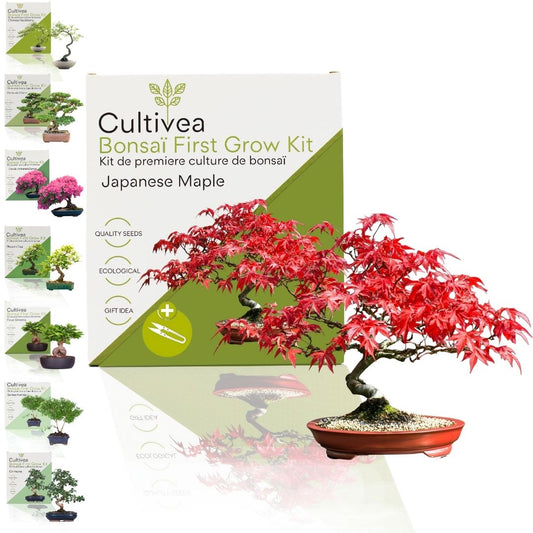
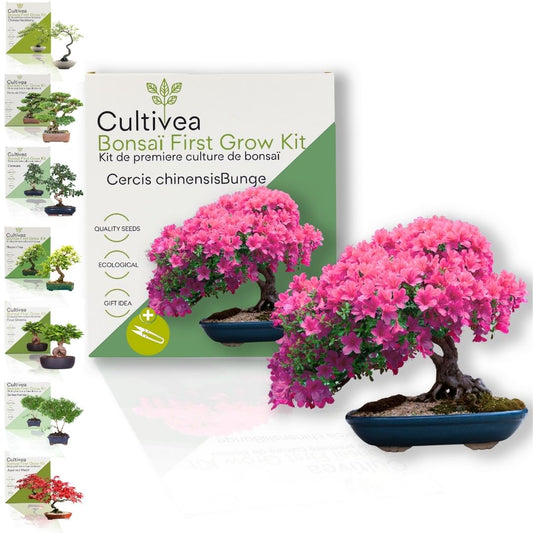
These characteristics can vary depending on the bonsai species and its environment. But does that mean you always need to buy a separate specialist soil to grow your miniature tree? Not necessarily. Our Cultivea Premium Bonsai Kit is designed to make things easier. The box contains everything you need, from growing medium and bonsai seeds to care tools, so you can grow your own miniature tree.
Types of substrates suitable for bonsai trees
A substrate refers to the different materials used to support plant growth. Bonsai trees require a specific growing medium that offers good drainage, aeration and stability. Below are some of the substrates commonly used for bonsai cultivation.
Akadama: a popular choice
As mentioned above, Akadama is a Japanese clay soil widely used for bonsai cultivation. It provides excellent drainage while also retaining enough water for the roots. However, Akadama gradually breaks down over time. As a result, the bonsai needs to be repotted regularly, generally every 2 to 3 years.
Pumice or volcanic rock: for effective drainage
Volcanic rock is a porous material that can help create favourable growing conditions for bonsai trees. Thanks to its permeability, it improves soil aeration and helps prevent water from becoming stagnant. It can be combined with Akadama to create a well-structured bonsai substrate.
Kanuma soil: ideal for bonsai that prefer acidic conditions
Some bonsai varieties grow better in acidic soil, such as certain maples or azaleas. A substrate that meets this requirement may therefore be needed. Kanuma is particularly acidic and is both lightweight and free-draining, helping to maintain a low pH suited to these species.
Bonsai potting soil: an economical option
Specialist bonsai potting mixes are also available and are often enriched with sand and perlite to improve drainage. They are a practical and accessible solution, although they may perform differently from specialist substrates such as Akadama. This is the type of convenient solution offered with our Mini Zen Bonsai Kit, which includes growing medium and bonsai plants ready for potting and is suitable even for beginners.
How to prepare and replace bonsai soil properly
Before preparing or replacing your bonsai soil, it is important to consider the characteristics of the tree itself. These details will help you determine its specific soil requirements. As a general guideline, a young bonsai seedling may remain in the same growing medium for around 2 to 3 years before the soil needs to be replaced. For a mature bonsai, the original text indicates a period of between [value not specified] and 5 years before repotting. When changing the pot, remember to trim the roots lightly to encourage bonsai growth. Our guide to the essential tools for bonsai care can also help you learn more about maintaining your tree.
Can you plant a bonsai directly in the ground?
You can plant a bonsai directly in the ground. However, when grown in ordinary garden soil, the tree can lose the compact characteristics associated with traditional bonsai cultivation and develop more like a full-sized tree. Its growth will become more vigorous and it will develop a deeper root system. The tree may require less intensive care, although its size will still need to be managed. If you want to maintain the traditional appearance of a bonsai, it is therefore preferable to keep it in a pot with a suitable substrate. Need containers for repotting your miniature tree or planting new seedlings? Our set of 10 bonsai pots can help with your growing projects. Cultivea also offers a wild cactus kit for anyone who wants to add a more exotic touch to their home.