
An English garden differs from a formal French garden through its natural-looking layout and more organic design. Typical features include roses, flowering trees and other plants, winding paths and, depending on the size of the garden, lawns, streams or ponds. Would you like to create an English-style garden? Discover the key elements you need to know to design this charming and natural-looking landscape.
What does an English garden include?
Creating an English garden is often based on a simple principle: making the landscape feel as natural and harmonious as possible. It can include a variety of features such as:
- Plants such as roses, perennials, climbers, shrubs and fruit trees;
- Natural screens, hedges or planted boundaries;
- A lawn, especially in larger gardens and parks;
- Curving paths made from gravel, paving stones, weathered bricks, natural stone, slate or similar materials;
- A small stream, pond or other water feature.
Wooden benches and other simple garden furniture can also blend naturally into the setting. Creating an English garden is essentially about building a varied landscape using plants, natural materials and deliberately informal shapes.
Which plants should you choose for an English garden?
An English garden is characterised by a wide variety of plants, with roses, perennials and flowering shrubs among the most typical choices. The plants you select should ultimately depend on your climate, growing conditions and personal style.
Designing an English garden: the right plants
Roses are one of the classic features of a flowering English garden. They bring colour and fragrance to the landscape and can be grown as shrubs or trained over arches and supports. To complement the roses, you can add a wide range of other plants, including:
- Climbing plants: passion flowers, clematis, winter jasmine, trumpet vines and other climbers;
- Perennials and seasonal flowering plants: chrysanthemums, nasturtiums and other colourful flowering species;
- Flowering shrubs: lilac, lavender, Caryopteris and other suitable shrubs depending on the climate;
- Fruit trees: apple, pear and cherry trees;
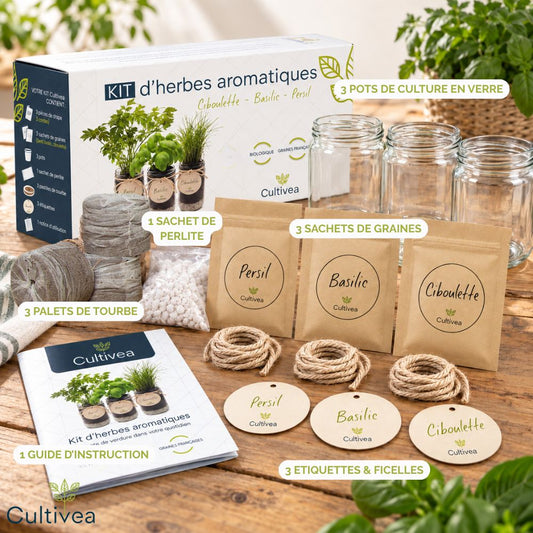
- Aromatic herbs: savoury, mint, rosemary, sage and other culinary herbs.

Choosing plants for your English garden
When selecting plants for your English garden, take into account the local climate, soil type, light conditions and the overall look you want to achieve. Your personal preferences and the amount of space available will also influence your choices. To create a balanced and attractive garden, it is a good idea to draw up a plan showing the plants, paths, seating areas and other features you would like to include. For larger or more complex projects, you may also wish to seek advice from a professional landscape designer or gardener.
How to create an English garden: tips and ideas
An English garden may look spontaneous and natural, but successful results still require careful planning. It is worth drawing up the layout in advance and choosing the plants and design features thoughtfully. If you have never created this type of garden before, sketches, plans and photographs of traditional English gardens can provide useful inspiration.
You should also take the appropriate planting periods for your chosen plants into account. Roses, for example, are often planted in autumn or spring depending on the variety, climate and soil conditions. Many climbing plants can be planted during frost-free periods and should then be provided with suitable supports. Fruit trees are generally planted during their dormant period, usually in autumn or early spring. Perennials and shrubs can also often be planted in autumn or spring, while avoiding periods of frost and taking the specific needs of each plant into account.
Basic gardening knowledge can be very useful when creating a beautiful English garden. Above all, it is important to understand the natural, varied character of this garden style and to maintain the plants regularly. By combining flowers, foliage, winding paths and carefully positioned focal points, you can gradually create a harmonious and inviting landscape.