
There's something special about having greenery at home. A plant on a windowsill, a few fresh herbs on the kitchen counter… Small touches like these can completely change the feel of a room without you quite knowing why. Yet many people hesitate to start growing plants because they think they don't have a green thumb. The truth is, almost anyone can learn to care for plants. What really matters is choosing the right ones for your home and lifestyle.
So, what are the best easy indoor plants to grow, even if you're a complete beginner or occasionally forget to water them? Let's explore some of the best low-maintenance options for bringing a little more nature indoors.
Cacti and Succulents: Perfect for Anyone Who Forgets to Water
Let's start with the classics. Cacti and succulents have a reputation for being almost impossible to kill. And for good reason! These plants store water in their stems and leaves, allowing them to survive dry periods without too much trouble.
Indoors, most varieties simply need a bright spot, ideally near a south- or west-facing window, and occasional watering, especially during winter. Watering once a week in summer and once a month in winter may be enough in some cases, depending on the variety and growing conditions. The most important thing is to let the soil dry out between waterings.
Besides their simple cactus care requirements, these plants are also wonderfully decorative. They come in countless shapes and sizes, from tiny cacti that fit in the palm of your hand to larger varieties that become eye-catching features in your home.
With the Mini Cactus Growing Kit, you can grow your own cacti from seeds. It's a surprisingly enjoyable experience, even for adults, and incredibly satisfying to watch your little plants develop week after week.
Would you like to easily grow your own cacti at home?
Growing Herbs Indoors: Practical, Beautiful and Easy
There's a lot to love about growing herbs indoors. They combine practicality with natural beauty, adding a fresh touch to your kitchen while providing delicious flavours for everyday cooking. Basil, parsley and chives are all relatively fast-growing plants that don't require complicated care.
The key is getting the lighting right. Place your herbs near a bright window and water them regularly, making sure excess water doesn't collect in the saucer beneath the pot. That's really all there is to it. Some herbs, such as chives and parsley, can even adapt to slightly less sunny locations.
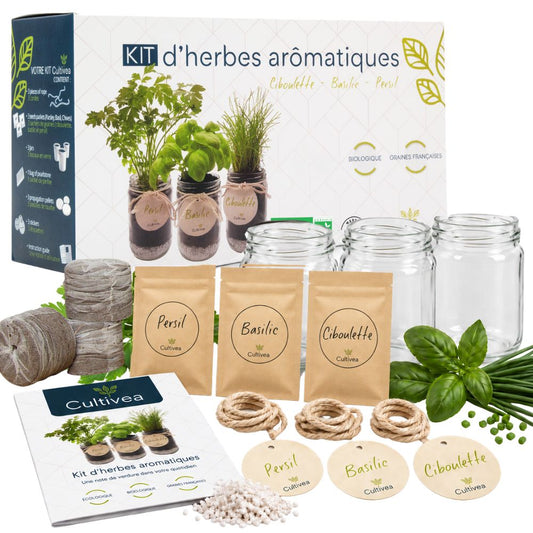
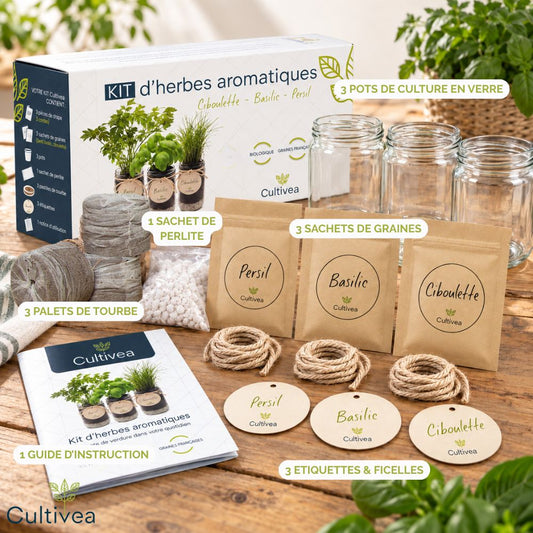
If you'd like to start your own indoor herb garden without any fuss, the Indoor Herb Growing Kit includes everything you need: seeds, growing medium and a pot. There's no need to search for supplies or deal with complicated preparations. Simply set it up, sow your seeds and water them.
And if you'd like to explore different flavours, the Mini Herb Growing Kit offers a different selection of Mediterranean herbs. Their lovely fragrances can fill your home with fresh aromas whenever you gently brush against their leaves.
Indoor Bonsai: Easier to Grow Than You Might Think
Many people assume that growing a bonsai tree is difficult and best left to experienced gardeners. It's understandable. After all, we often picture a Japanese bonsai master carefully pruning a miniature tree over several decades.
In reality, growing an indoor bonsai can be surprisingly accessible, even if you've never cared for plants before. The secret is choosing the right species and understanding a few basic care principles.
A bonsai needs plenty of light, preferably bright indirect sunlight for many tropical indoor species, regular watering and suitable humidity levels. Some varieties can tolerate the occasional missed watering, although it's important not to let the soil dry out completely for long periods.
What makes bonsai so fascinating is their slow, gradual growth. You might not notice much changing from one day to the next, but over time, you'll start spotting new leaves, tiny branches and subtle changes in shape. Caring for your tree can become a peaceful daily ritual and a lovely way to connect with nature.
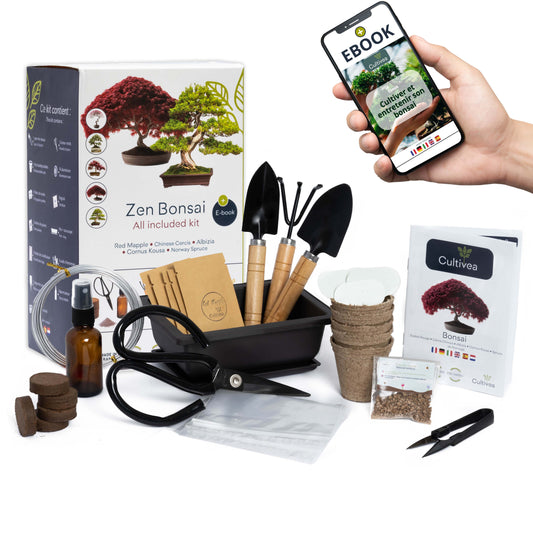
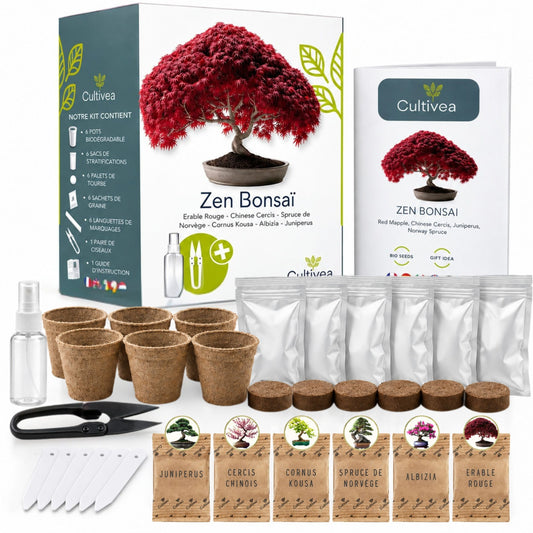
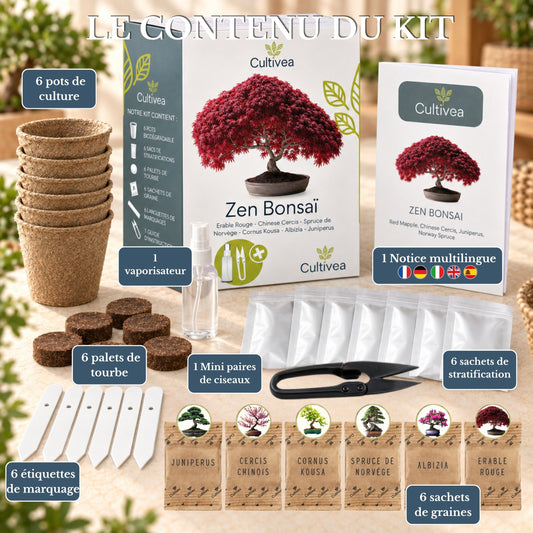
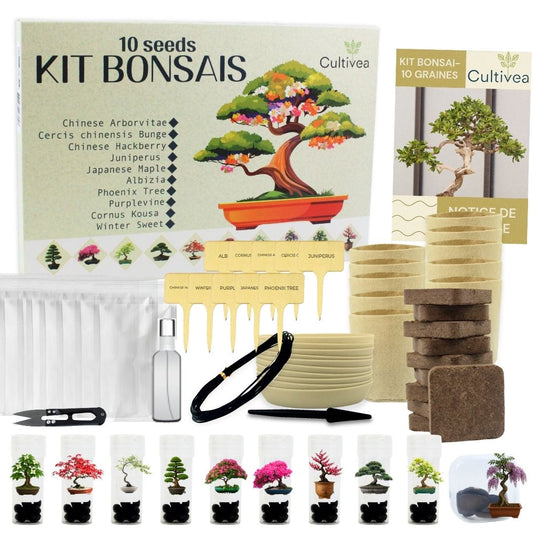
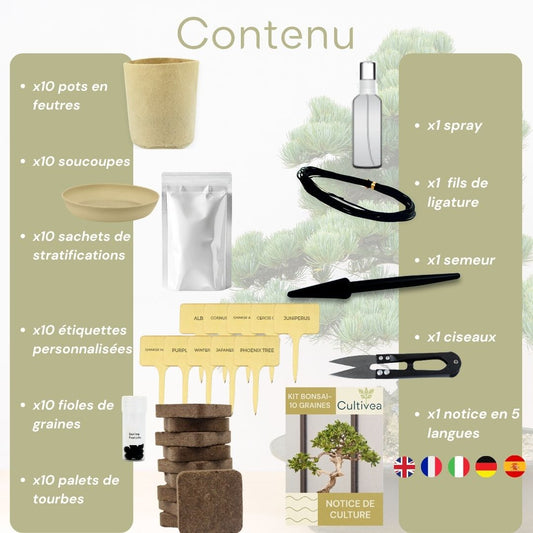
With the Premium Bonsai Growing Kit, you can grow your very own bonsai from seed. The included instructions guide you through each stage, making it a wonderful introduction to bonsai for beginners.
If you'd like to learn more about different bonsai species, take a look at our guide explaining why a red maple bonsai makes such a beautiful addition to your home. Keep in mind, however, that red maple trees need to experience the changing seasons and aren't suitable for permanent indoor growing.

Low Light Indoor Plants: Tropical Plants for Darker Spaces
Not everyone is lucky enough to have large windows and rooms filled with natural sunlight. Fortunately, there are several low light indoor plants that can adapt to spaces with limited natural light.
Pothos, snake plants and philodendrons are among the most popular choices. These hardy houseplants can often tolerate moderate to low indirect light and are generally forgiving if you occasionally forget to water them. They still need some natural light to stay healthy, though, as no plant can grow in complete darkness.
One of the best things about these plants is how easy it is to notice their growth. Within a few weeks, a pothos can produce longer vines that trail beautifully from a hanging planter or spread across a shelf.
Watching new leaves appear and seeing your plants gradually fill their space brings a wonderful sense of life and freshness to your home.
Practical Tips for Choosing Easy Houseplants
Before choosing your first indoor plants for beginners, it's worth asking yourself a few simple questions:
- How much natural light does your home receive? A north-facing room offers very different conditions from a south-facing one, so choose plants that suit the available light.
- How much time can you spend caring for your plants? If you travel frequently or spend long periods away from home, choose hardy, low-maintenance indoor plants that don't need frequent watering.
- How much space do you have? A windowsill, bookshelf or kitchen counter can all become lovely little green corners when you choose the right plants.
Most importantly, don't try to fill your entire home with plants straight away. Two or three carefully chosen houseplants are much better than buying ten at once and later struggling to keep up with their care.
Ready to Take Your Indoor Garden a Step Further?
Once you've mastered the basics, it's only natural to want to try growing something new. Why not explore the idea of growing your own herbs for homemade teas and infusions?
Although they're less common than traditional cooking herbs, these plants can make a wonderful addition to a small indoor garden. With the Organic Herbal Tea Growing Kit, you can grow plants such as chamomile, mint and verbena, then experiment with creating your own tea blends.
That's the beauty of growing houseplants: there's always something new to discover, another variety to explore or a small challenge to overcome. And every little success feels rewarding. A seed that sprouts, a stem that grows or a fresh new leaf beginning to unfold…
So, if you've been thinking about adding more greenery to your home, this might be the perfect time to give it a try.