
Basil is one of the most popular herbs used in cooking. This annual plant can be grown both indoors and outdoors. Its natural growing season usually comes to an end in September, when temperatures start to drop and the plant begins to lose its vigour. But does basil grow back? And is basil perennial or annual? Here's everything you need to know.
Understanding Basil Plants
Basil, scientifically known as Ocimum basilicum, is one of the most widely used culinary herbs. It can be grown directly in garden beds, in outdoor pots or containers, or inside your home.
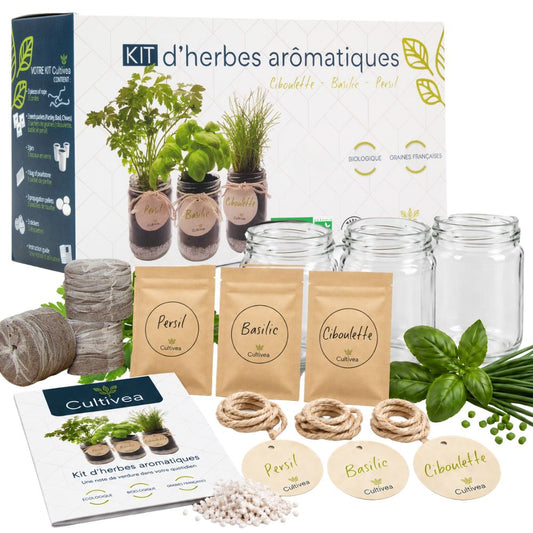
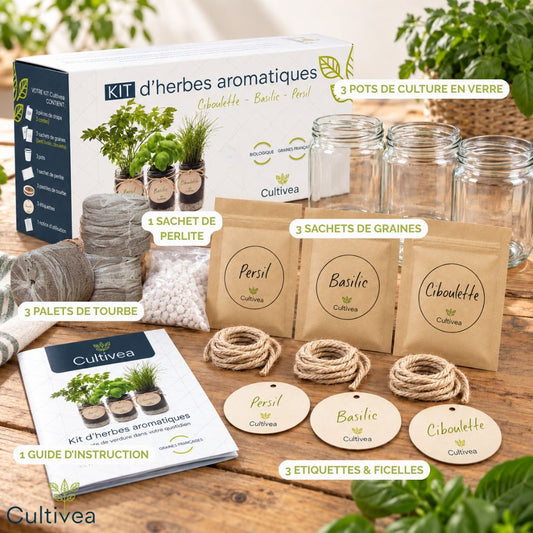
Would you like to grow fresh basil and other aromatic herbs right at home?
How to Care for Basil
Basil is a summer herb that thrives in warmth and sunlight. It needs around 6 hours of sunlight each day to grow well. However, it doesn't tolerate chilly autumn nights and is particularly sensitive to frost.
After sowing your seeds, proper watering and regular care are essential. Basil prefers consistently moist soil, but overwatering should be avoided, as waterlogged soil can damage its roots. Adding a little fertiliser can also help enrich the soil and encourage healthy leaf growth.
How to Harvest Basil
The first basil leaves usually appear around 20 to 30 days after sowing. When harvesting, it's best to cut the top of the plant, leaving a section of stem with 2 to 4 leaves.
Knowing how to prune basil correctly helps encourage branching and stimulates the growth of new leaves. After this first trim, you can continue harvesting fresh basil whenever you need it for your favourite recipes.
Does Basil Grow Back Every Year? Is Basil Perennial?
Does basil grow back after its growing season? Common sweet basil is generally an annual plant, meaning it completes its natural life cycle within a single growing season and usually won't grow back the following year.
As September approaches, basil growth often slows down due to shorter days and cooler temperatures. Bringing an outdoor basil plant inside during autumn doesn't always guarantee its survival. A lack of natural light and unsuitable indoor conditions can cause the plant to deteriorate quickly.
So, is basil perennial? Although common sweet basil is typically grown as an annual, some other basil varieties can survive for several years in warm climates. Under the right conditions, even common basil may live longer when protected from cold temperatures and given enough light.
Another important factor is basil flowering. When your basil plant starts producing flowers, it directs more energy towards flowering and seed production, which can reduce the growth of new leaves. Removing flower buds regularly can help extend the harvesting period.
Even if your basil plant doesn't survive from one year to the next, you can still enjoy fresh basil throughout the year.
How to Grow Basil Indoors All Year Round
If you'd like to enjoy fresh basil throughout the year, growing new plants in pots indoors is a practical solution. With enough warmth and light, you can continue harvesting basil leaves during autumn and winter to add flavour to your meals.
Learning how to grow basil indoors is simple, even if you're new to gardening. All you need is some potting compost, suitable containers and basil seeds. If your existing plant has already flowered and produced seeds, you can collect them and use them to grow new plants.
Here's how to grow basil from seed, step by step:
-
Choose a pot approximately 15 cm (6 inches) in diameter, clean it and place it on a saucer;
-
Make sure the bottom of the pot has drainage holes, as basil doesn't like waterlogged soil;
-
Fill the pot with potting compost, leaving around 2 cm (¾ inch) below the rim, then water lightly;
-
Place 10 basil seeds evenly across the surface of the compost;
-
Cover the seeds with approximately 5 mm (¼ inch) of compost;
-
Gently mist the soil with a spray bottle to avoid washing away the seeds or soaking the compost;
-
Cover the pot with a clear plastic bag;
-
Place the pot somewhere warm, ideally at a temperature of at least 21°C (70°F), away from cold draughts;
-
Remove the plastic bag after 5 to 10 days, once the first seedlings begin to appear;
-
Move the pot to a sunny spot where it receives at least 6 hours of sunlight per day. Alternatively, you can use a grow light for approximately 14 hours a day.